Call 0330 880 3600 Calls may be monitored or recorded. Opening Times.
- TRAVEL INSURANCE
- MEDICAL CONDITIONS
- More Options
- Help & Advice
- Existing Customers
- Contact Us
Call 0330 880 3600 Calls may be monitored or recorded. Opening Times.

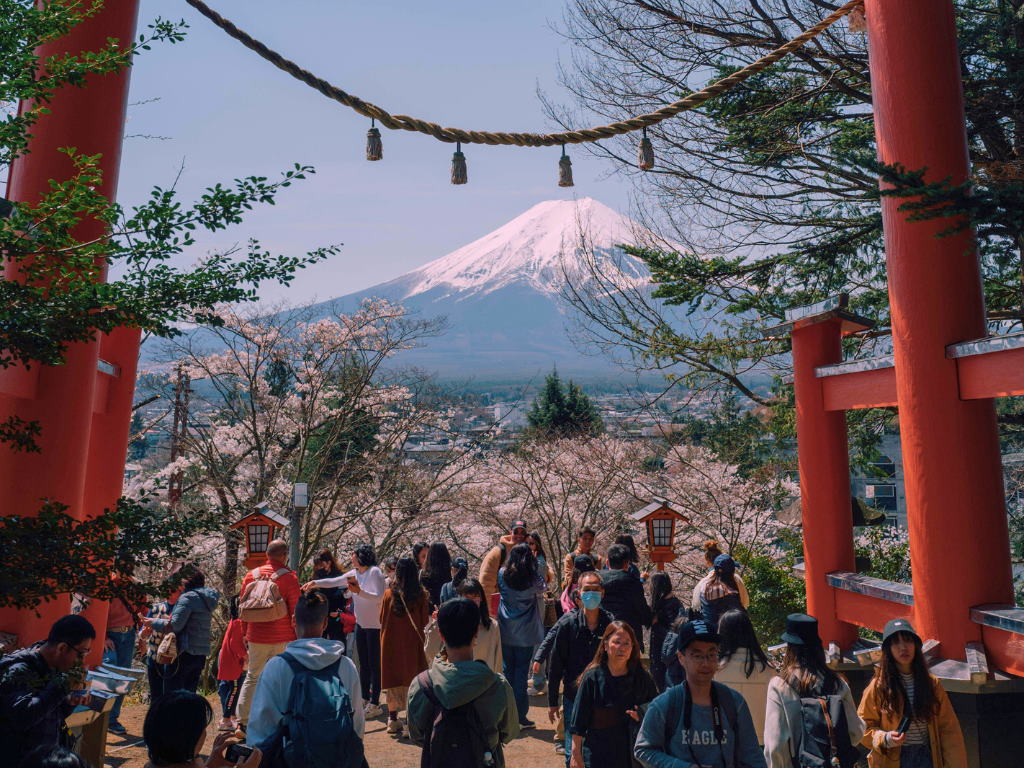 Travellers planning to visit Japan for the iconic cherry blossom season in 2026 may notice some changes, after authorities cancelled a major cherry blossom festival near Mount Fuji due to safety concerns and overwhelming visitor numbers.
Cherry blossom viewing, also known as hanami, has been part of Japanese culture for over 1,000 years, dating back to the Heian period. Today, sakura season is still one of Japan’s most anticipated events, with millions of people gathering every spring to enjoy and celebrate the brief but beautiful bloom.
Tourism to Japan has grown rapidly in recent years, and last year it welcomed a record 42.7 million international visitors. Cherry blossom season is one of the busiest times to visit, as travellers from around the world arrive to experience the blossoms, which typically last just one to two weeks in each location.
This surge in visitors has put increasing pressure on some of Japan’s most popular destinations, including Tokyo, Kyoto and areas around Mount Fuji. In response, local authorities have started introducing measures like crowd control systems, visitor limits, and increased tourist taxes to help protect infrastructure and reduce the impact on local communities.
One of the biggest changes is the cancellation of the Arakurayama Sengen Park Cherry Blossom Festival in Fujiyoshida. The event, known for its stunning views of Mount Fuji framed by rows of sakura trees, usually attracts around 200,000 visitors each year. However growing crowds have led to safety concerns due to congestion, littering, and disruption in nearby residential areas.
Despite this cancellation, cherry blossom season itself will continue across Japan as normal, with peak bloom expected between late March and early April in many major cities. Travellers can still enjoy the experience, but planning ahead will be more important than ever because of diverted tourist numbers. Booking accommodation early, allowing extra time for travel, and staying aware of local guidance can all help make the trip smoother.
BY HOLLY GARWOOD
Published 25th February 2026
Get travel insurance
Single trip travel insurance Annual multi-trip travel insurance Pre-existing medical conditions Compare travel insuranceSubscribe to our newsletter
For discounts, competitions, news, tips & more.