
Related articles
What Happens If You Need Medical Treatment Abroad?
Nobody intends to break a leg or get an ear infection while they’re on holiday… indeed the last thing you need is to end up at the doctor’s or in a hospital. However, if the worst happens, knowing what to do can make an unfamiliar situation a bit easier to manage.
The exact process depends on your travel insurance policy, but the following information can provide a useful resource to get the ball rolling.
What if I need urgent medical help abroad?
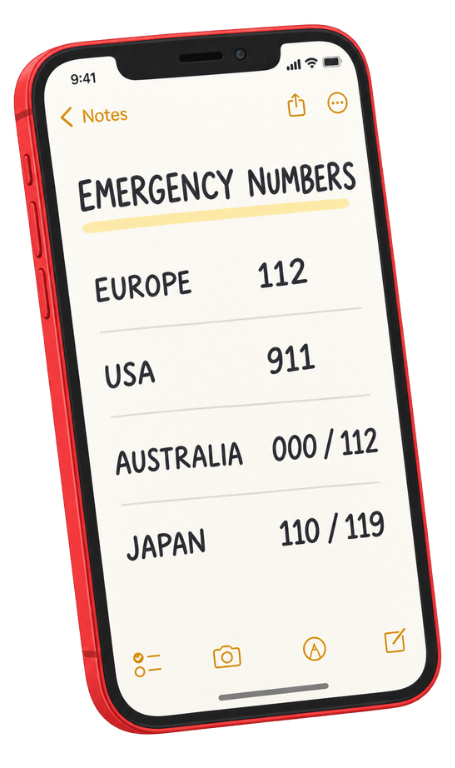 If someone is seriously ill, badly injured, or in immediate danger, you should contact the local emergency services. This is like calling 999 in the UK, except in Europe you would call 112. A quick Google can tell you the number you need.
After any emergency arrangements have been made, you (or someone on your behalf) should then call the emergency medical assistance team in your policy, who have a 24/7 helpline. This is especially important if you are admitted to hospital, need urgent or significant tests or treatment, or may not be able to return home as you’d originally planned.
What will I need?
When you speak to the emergency medical assistance team, you’ll need your Policy Reference. This is an important number to save in your phone or carry with you while you’re on holiday. They’ll also ask for your location and the name of the treating hospital or doctor.
They might ask to speak to the medical facility to discuss any proposed tests or treatment and, where possible, help to arrange the payment of eligible medical costs.
The FCDO recommends carrying important policy information with you, and sharing them with your travelling companions or someone at home.
Scenario 1: You visit a local clinic
Let’s say you develop an ear infection and decide to visit a clinic abroad. The likelihood is that you’ll receive treatment without being admitted into hospital.
In this event, it’s worth contacting the emergency medical assistance team if expensive treatment is suggested, you are asked to sign something you don’t understand, or you’re unsure of what to do.
For straightforward outpatient treatment, you might be expected to pay the clinic and claim the eligible costs back afterwards. Keep paperwork such as:
- medical reports
- itemised bills
- payment receipts
- prescriptions and pharmacy receipts
Scenario 2: You’re admitted to hospital
If you need to be admitted to hospital because you need inpatient testing or treatment, contact the emergency assistance team as soon as possible. If you can’t make the call yourself, someone else can contact them on your behalf. Bear in mind that they’ll need to know your travel insurance information.
Depending on your policy and circumstances, the team could:
- communicate with your treating doctor
- authorise eligible medical expenses
- arrange payment directly with the hospital
- monitor your treatment
- help with additional travel or accommodation
It is expected that you use appropriate public or state facilities where available, as travel insurance is not considered private medical insurance. You may have little control over where you are taken during an emergency though, which makes it especially important to contact your emergency medical assistance team.
Scenario 3: You cannot travel home as planned
A serious illness or injury might result in having to change your flight, stay abroad for longer, or needing medical support when you travel.
Being discharged from hospital does not automatically mean you are fit to fly. The assistance team may need to consult the treating doctor, airline and medical transport providers before arranging your return.
On this basis, you shouldn’t arrange your own medical repatriation unless you’re instructed to do so. The assistance company will usually need to authorise it and agree that it is medically necessary.
How much can treatment abroad cost?
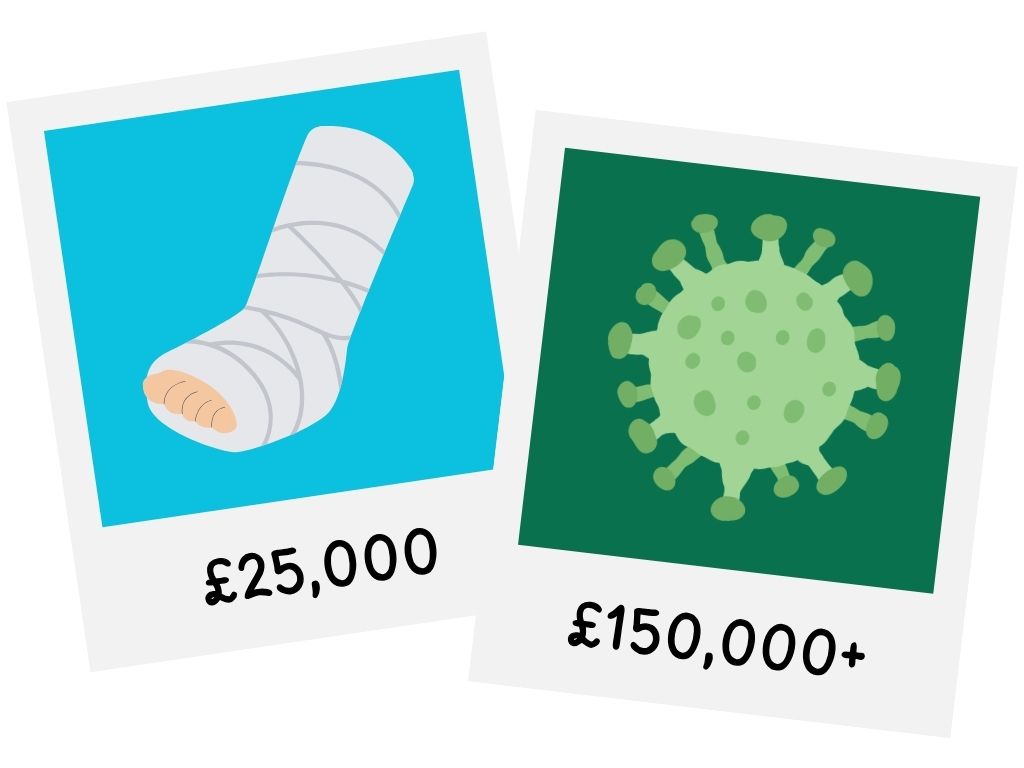 The cost of medical treatment varies wildly by country, medical facility, treatment, and whether or not you require repatriation.
However, the current FCDO travel insurance guidance gives these examples:
- A broken leg in Spain, with hospital treatment and possible repatriation: £25,000+
- A quad-bike accident in Greece requiring surgery and possible repatriation: £80,000+
- A stomach bug or infection treated in a US hospital, with possible repatriation: £150,000+
The Association of British Insurers reported that the average payout for medical treatment was £1,528 in 2024, although complex treatment and repatriation can cost substantially more. In 2025, one case disclosed by an ABI member, including emergency surgery in the USA and repatriation to the UK resulted in a £500,000 travel insurance payment.
Can you use an EHIC or GHIC?
A GHIC or EHIC does not mean that you’ll automatically get free healthcare abroad. It can however, give a traveller access to medically necessary state healthcare on the same terms as a resident, in participating countries. The NHS explains what the cards cover.
They are not replacements for travel insurance. A GHIC or EHIC does not cover every healthcare charge, private treatment, or the cost of returning someone to the UK because of illness, injury or death. NHS guidance confirms that repatriation is not included.
What could affect a claim?
Cover may be affected if:
- a pre-existing condition was not declared and accepted where required
- you travelled against medical advice
- the treatment could reasonably wait until you returned home
- treatment or repatriation was arranged without the required authorisation
- the incident involved an activity not covered by the policy
- alcohol or non-prescribed drugs contributed to what happened
- you travelled against applicable FCDO advice
Check the specific conditions and exclusions in your own policy documents.
Before you travel...
Save your emergency medical assistance number and Policy Reference somewhere accessible offline. Share them with the people travelling with you, take a valid GHIC or EHIC where applicable, and make sure any required medical declarations are accurate.
Emergency numbers and procedures differ between policies. Always follow the instructions in your Policy Wording. Cover is always subject to the terms, conditions, limits, and exclusions of the policy selected.
BY HOLLY GARWOOD, 22ND OCTOBER 2026