Call 0330 880 3600 Calls may be monitored or recorded. Opening Times.
- TRAVEL INSURANCE
- COVID-19 COVER
- More Options
- Help & Advice
- Existing Customers
Call 0330 880 3600 Calls may be monitored or recorded. Opening Times.

Across the world, museums, homes, institutes, and landmarks offer a chance to understand the lives behind the names. Visiting these places is about recognising the courage, determination, and persistence that continue to influence the present day.
The Legacy of Marie Sklodowska-Curie
Warsaw, Poland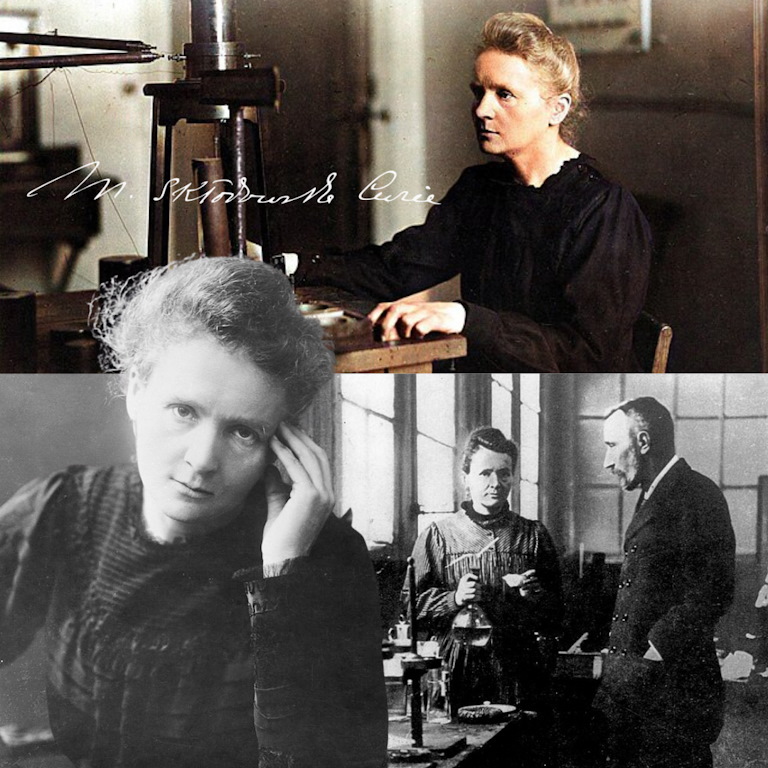
Marie Curie is one of the most well-known names in the scientific world, if not the actual world. She was a double Nobel Prize winner, pioneered research into radioactivity, and helped to lay the foundations for modern cancer treatments.
Throughout her life, she remained deeply proud of her Polish roots, even naming the chemical element polonium after it. Born Marie Sklodowska, her legacy is honoured at the Marie Sklodowska-Curie Museum, located in her birthplace of Warsaw.
Visitors to the museum can explore her personal belongings, documents, and the story of a woman whose discoveries changed science forever.
The Home of Harriet Tubman
Auburn, New York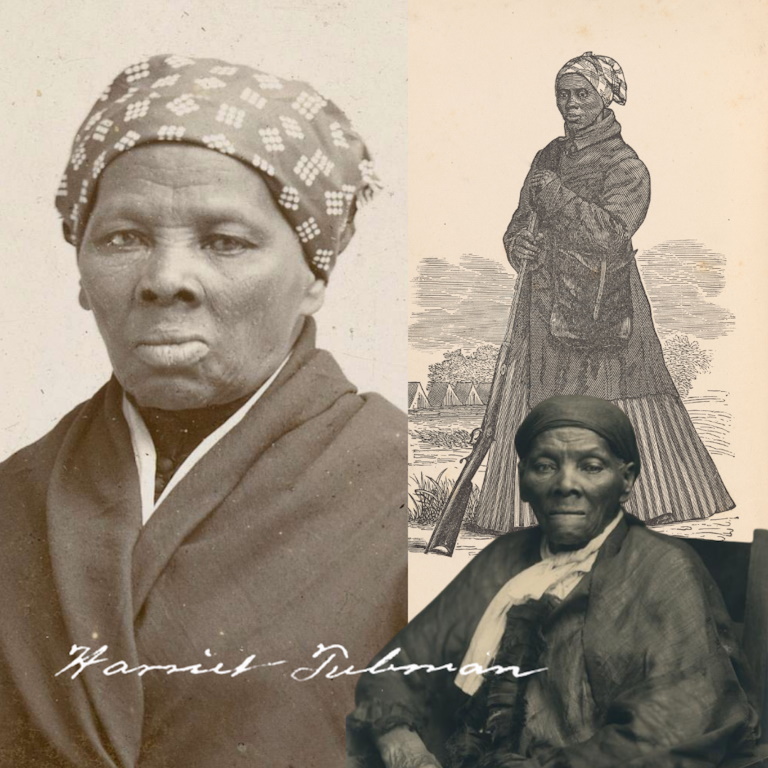
Harriet Tubman escaped slavery in 1849, but she didn’t disappear. She went back again and again to help others escape too, and earned the name Moses for guiding others to freedom. She has become one of the most courageous figures in American history, knowing that if she were caught she would not escape again.
After that, she served in the American Civil War as a nurse, scout and spy. She was the first woman in US history to lead an armed military expedition, and managed to free over 700 more enslaved people in a single operation. Following this, she became active in the women’s suffrage movement, and opened her home to care for the elderly and poor.
Her home in Auburn, New York, is now preserved as a historic site. Visitors can learn about her life, her work, and her lasting impact on human rights. It’s a place that tells a powerful story of bravery, determination, and refusing to accept injustice.
Jane Goodall: Protector of the Natural World
The Jane Goodall Institute, Canada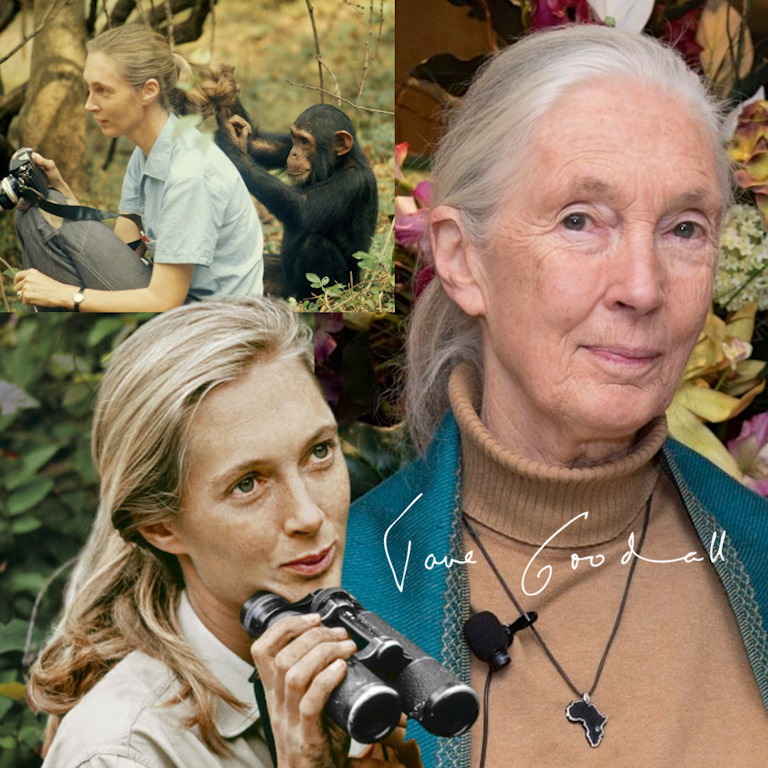
Few scientists have changed how we see animals and conservation like Jane Goodall. In 1960, she camped completely alone in the Tanzanian forest to observe chimpanzees, but she didn’t dominate their patch. She watched, waited, and approached these animals with empathy and true care. Goodall genuinely shocked the male-dominated scientific world with her approaches, and disproved that humans were the only animals with complex emotions and distinct personalities.
Her groundbreaking research on chimpanzees reshaped our understanding of animal behaviour and intelligence. She proved that patience could be just as powerful as force or authority. She’s one of those rare people who changed both science and how we relate to the natural world. Even now, her influence stretches far beyond the lab, inspiring generations to care more deeply about the planet and its inhabitants.
The Jane Goodall Institute, named in her honour, continues her work today - promoting conservation, research, and education around the world.
A Pioneer of the Skies: Amelia Earhart
Amelia Earhart Airport, Kansas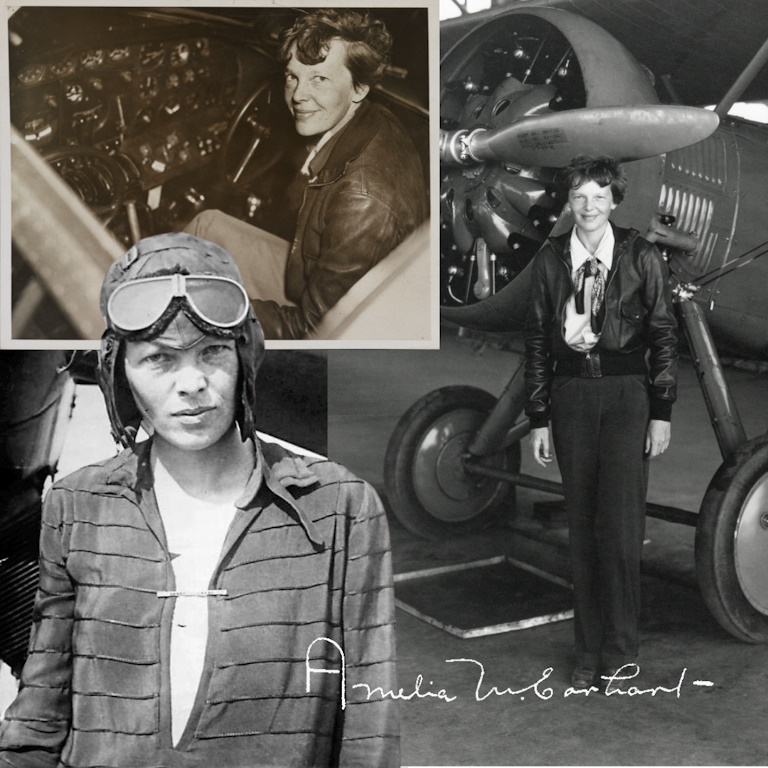
In the late 1800s, it wasn’t expected that proper young ladies would collect insects or study female engineers, but that was exactly what Amelia Earhart did. And then in her early 20s, she decided to learn how to fly. Initially, she was the first female to fly across the Atlantic Ocean as a passenger, but this wasn’t enough. Four years later, she did it alone in a plane that iced up, with failing instruments, against violent weather. Still, 15 hours later, she’d done it. Later on, Earhart went on to fly solo from Hawaii to the US, and set multiple speed and altitude records.
She used her fame to advocate for women, even co-founding an organisation for female pilots called The Ninety-Nines, who still exist today. What makes her story powerful isn’t just the fact that she flew. It’s that she stepped into a field women weren’t supposed to occupy; she redefined what was possible.
The Amelia Earhart Airport in Kansas bears the name of one of the most famous aviators in history, a fitting and deserving tribute to someone who spent her life pushing boundaries.
Distributing Dignity in Margaret Sanger Square
Margaret Sanger Square, New York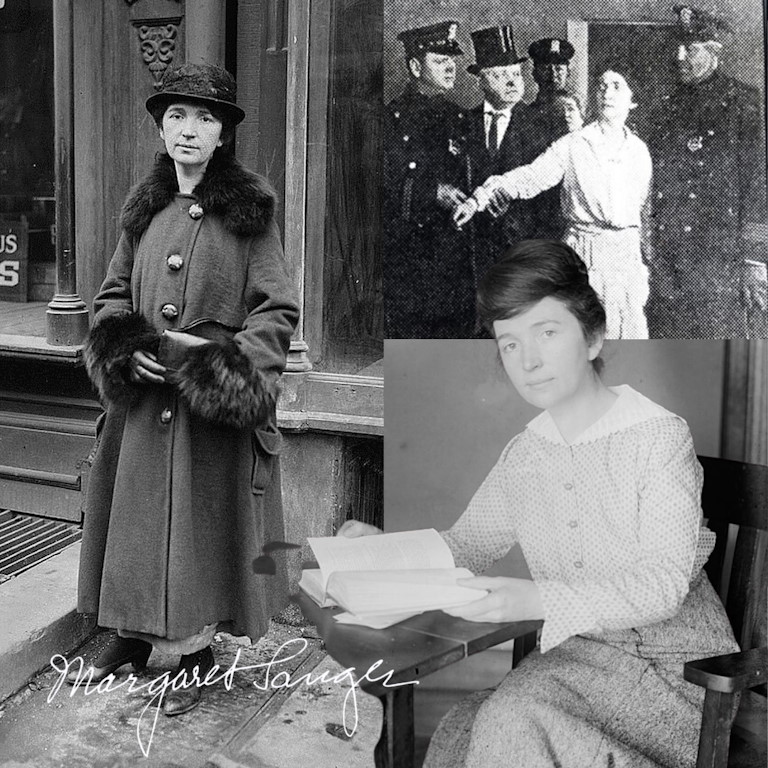
Few figures have shaped women’s reproductive rights as profoundly as Margaret Sanger. In the early 1900s, at a time when even discussing contraception was illegal, she refused to accept the silence surrounding it. Working as a nurse in New York City, and through her mother’s 18 pregnancies, she saw firsthand the toll that repeated pregnancies and unsafe abortions took on women’s health and lives.
In the full knowledge that it would be shut down, Sanger opened the very first birth control clinic in 1916 - in just a few days she was arrested. However, she continued against the prohibition of information about contraceptives, determined to give women access to information they’d been previously denied - she spent the rest of her life challenging the law and society that prevented it.
Margaret Sanger Square stands near the site of her first clinic in Manhattan. It serves as a reminder of the role she played in transforming reproductive rights. Her activism helped bring the concept of birth control into the open public, laying the foundation for modern reproductive healthcare.
Each of these places tell the stories of women who decided to change a world that challenged them. Their work gave future generations more freedom than those before them, and International Women’s Day is the perfect time to recognise the strength it took to redefine what women could do.
BY HOLLY GARWOOD, 5TH MARCH 2026
Get travel insurance
Single trip travel insurance Annual multi-trip travel insurance Pre-existing medical conditions Compare travel insuranceSubscribe to our newsletter
For discounts, competitions, news, tips & more.