Need help?
UK Customer Services0330 880 3600*
Open Monday to Friday 9:00am to 5pm, Saturday 8:30am to 4pm and closed Sundays.
*Calls are recorded for training and quality purposes.
Go back to:
All Country Guides
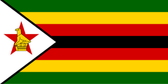
Zimbabwe
Please note that if the Foreign, Commonwealth and Development Office have advised against all (or all but essential travel) to your destination, we cannot provide cover.
Click here to visit the FCDO's Foreign Travel Advice webpage.
- Intro
- Geography
- Travel
- Embassies & Visas
- Currency
- Health
Quick Facts
Official name: Republic of Zimbabwe
Capital city: Harare
Languages spoken: English, Shona, Sindebele
Population: Around 16 million
Currency: Zimbabwean dollar (ZWL), though US dollars are widely used
Time zone: GMT+2
Driving side: Left
Climate: Warm and sunny most of the year, with a rainy season from November to March and cooler winter months from May to August
Zimbabwe is a land of incredible natural beauty and wildlife. It’s home to one half of the spectacular Victoria Falls, vast game reserves like Hwange National Park, and the ruins of Great Zimbabwe - the remains of a once-powerful medieval city. Despite economic challenges, it remains a rewarding destination for travellers.
Travellers should be aware of political tensions, occasional protests, and economic instability that can lead to shortages of fuel, power, and cash. While tourist areas like Victoria Falls are generally safe, caution is needed in cities during demonstrations or political events.
Zimbabwe is landlocked in southern Africa, bordered by Zambia, Mozambique, South Africa, and Botswana. The Zambezi River forms its northern boundary, including Victoria Falls, while the Limpopo River runs along the south. Its landscapes range from highveld plateau to low-lying savannahs and forests.
Harare and Victoria Falls airports are the main international gateways. Domestic flights connect major cities and tourist areas, while buses and private transfers are common for overland travel. Top attractions include Victoria Falls, safaris in Hwange and Mana Pools, Lake Kariba, and exploring Great Zimbabwe’s archaeological site. Adventure seekers often combine Zimbabwe with neighbouring Zambia or Botswana for multi-country trips.
UK travellers need a visa, which can be obtained online in advance or on arrival at airports and border posts. A KAZA UniVisa, covering both Zimbabwe and Zambia, is also available and useful for those visiting Victoria Falls from both sides. The British Embassy is located in Harare.
Although the official currency is the Zimbabwean dollar (ZWL), US dollars are widely used and often preferred. ATMs can be unreliable, and cash shortages are common, so travellers should carry enough USD in small denominations. Credit cards are accepted in some hotels and tourist areas but not everywhere.
Healthcare is limited and hospitals may lack supplies, especially outside major cities. Travel insurance with evacuation cover is essential. Malaria is present in many areas, particularly near Lake Kariba and the Zambezi Valley. Tap water is not always safe to drink, so bottled or boiled water is recommended. Visitors should also take care in rural areas where road conditions can be poor.