
Need help?
UK Customer Services0330 880 3600*
Open Monday to Friday 9:00am to 5pm, Saturday 8:30am to 4pm and closed Sundays.
*Calls are recorded for training and quality purposes.
Go back to:
All Country Guides
Other Guides
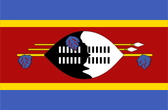
Eswatini
Please note that if the Foreign, Commonwealth and Development Office have advised against all (or all but essential travel) to your destination, we cannot provide cover.
Click here to visit the FCDO's Foreign Travel Advice webpage.
- Intro
- Geography
- Travel
- Embassies & Visas
- Currency
- Health
Quick Facts
Official name: Kingdom of Eswatini
Capital cities: Mbabane (administrative), Lobamba (royal and legislative)
Official languages: Swazi (siSwati), English
Population: Around 1.2 million
Currency: Lilangeni (SZL), pegged to the South African rand (ZAR)
Time zone: GMT+2
Driving side: Left
Climate: Subtropical climate with hot, wet summers and cooler, dry winters
Eswatini, formerly known as Swaziland, is one of Africa’s last absolute monarchies. Despite its small size, it offers a striking mix of mountains, savannah and rainforests. Traditional culture plays a central role in everyday life, with annual ceremonies such as the Umhlanga (Reed Dance) drawing international attention. The country is also home to wildlife reserves, craft markets and warm hospitality.
Landlocked between South Africa and Mozambique, Eswatini’s terrain includes the highveld, middleveld and lowveld, each with distinct landscapes and climates. The western highlands are cooler and mountainous, while the eastern lowlands are hotter and drier. Rivers such as the Great Usutu and Komati cut through fertile valleys, supporting agriculture. Natural hazards include periodic droughts and floods.
Eswatini is accessible by road from South Africa and Mozambique, with well-used border crossings. The main airport is King Mswati III International Airport near Manzini, offering regional flights. Minibuses and shared taxis are common for local travel, while car hire is an option for more flexibility. Popular attractions include Hlane Royal National Park, Mlilwane Wildlife Sanctuary, and cultural villages that showcase Swazi traditions.
UK citizens do not require a visa for stays of up to 30 days, with the possibility of extension. Passports should be valid for at least six months beyond entry. The British High Commission in Pretoria, South Africa, handles consular matters for Eswatini. Travellers should check entry requirements in advance, particularly if arriving via South Africa or Mozambique, as regional visa rules may apply.
The lilangeni (SZL) is the official currency, though the South African rand (ZAR) is also legal tender and widely accepted. Credit cards are accepted in hotels and larger shops, but cash is essential in rural areas. ATMs are available in towns and cities. Prices for accommodation and transport are relatively affordable compared to neighbouring South Africa.
Healthcare is limited outside major towns, with Mbabane and Manzini offering the best facilities. Many serious cases require evacuation to South Africa. HIV prevalence is among the highest in the world, so travellers should take appropriate precautions. Malaria is a risk in the lowveld and Lubombo regions, especially during the rainy season, so prophylaxis is recommended. Bottled or boiled water is advised in rural areas. Comprehensive travel insurance with medical evacuation cover is essential.