Need help?
UK Customer Services0330 880 3600*
Open Monday to Friday 9:00am to 5pm, Saturday 8:30am to 4pm and closed Sundays.
*Calls are recorded for training and quality purposes.
Go back to:
All Country Guides
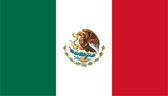
Mexico
Please note that if the Foreign, Commonwealth and Development Office have advised against all (or all but essential travel) to your destination, we cannot provide cover.
Click here to visit the FCDO's Foreign Travel Advice webpage.
- Intro
- Geography
- Travel
- Embassies & Visas
- Currency
- Health
Quick Facts
Official name: United Mexican States
Capital city: Mexico City
Languages spoken: Spanish, with 60+ indigenous languages including Nahuatl and Maya
Population: Around 128 million
Currency: Mexican peso (MXN)
Time zone: GMT-6 (Central Mexico, varies by region)
Driving side: Right
Climate: Mexico’s climate is incredibly varied - think hot beaches, temperate highlands, and desert heat. Winters are mild overall, while summers can be very hot and rainy in coastal regions.
Mexico offers a vibrant mix of ancient and modern, from Mayan and Aztec ruins to buzzing cities, colourful festivals, and some of the world’s best food. Tourists flock to its beaches along both the Pacific and Caribbean coasts, while Mexico City and Guadalajara provide culture, art, and nightlife. Beyond the resorts, the country’s diverse landscapes include deserts, jungles, mountains, and canyons.
Mexico borders the United States to the north, Guatemala and Belize to the south, and is flanked by the Pacific Ocean and the Gulf of Mexico/Caribbean Sea. Its geography ranges from arid deserts in the north, lush rainforests in the south, volcanic mountain ranges, and fertile central plateaus. Notable landmarks include the Sierra Madre mountains and Copper Canyon.
Mexico has numerous international airports, including Mexico City, Cancún, and Guadalajara, making it easily accessible from the UK and Europe. Domestic air travel is common due to the country’s size. Buses are the main mode of intercity transport, with first-class services being safe and comfortable. Driving can be challenging due to variable road conditions and safety risks, particularly at night.
UK nationals do not need a visa for visits up to 180 days for tourism or business. A valid passport and a completed immigration form (often provided on flights) are required. The British Embassy is in Mexico City, with consulates in Cancún and Monterrey.
The Mexican peso (MXN) is the national currency. ATMs are widespread, and credit and debit cards are commonly accepted. US dollars are also accepted in some tourist areas, though exchange rates are often unfavourable. Bargaining is common in markets and with taxis.
Healthcare in Mexico is mixed: major cities and tourist centres have private hospitals and clinics with good facilities, but rural areas may lack resources. Travel insurance covering medical evacuation is recommended. Tap water is not safe to drink – stick to bottled or filtered water. Vaccinations for hepatitis A, typhoid, and tetanus are advisable. Dengue, Zika, and chikungunya are present in some areas, so mosquito precautions are important.