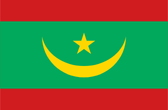
Mauritania
Avoid dental treatment in Mauritania as the standards of care are low and hygiene cannot be guaranteed.
Limited supplies of medication can be found in the capital - Nouakchott, however it can be heat damaged and out of date
Blood supplies should be considered as unsafe in Mauritania
Medical facilities in Mauritania are limited. Some medicines are difficult to obtain. Travelers are advised to bring their own supplies.
Recent medical and dental exams should ensure that the traveler is in good health. Carry appropriate health and accident insurance documents and copies of any important medical records. Bring an adequate supply of all prescription and other medications as well as any necessary personal hygiene items, including a spare pair of eyeglasses or contact lenses if necessary.
Drink only bottled beverages (including water) or beverages made with boiled water. Do not use ice cubes or eat raw seafood, rare meat or dairy products. Eat well-cooked foods while they are still hot and fruits that can be peeled without contamination. Avoid roadside stands and street vendors.
Swim only in well-maintained, chlorinated pools or ocean water known to be free from pollution; avoid freshwater lakes, streams and rivers. Wear clothing which reduces exposed skin and apply repellents containing DEET to remaining areas. Sleep in well-screened accommodations. Carry anti-diarrheal medication. Reduce problems related to sun exposure by using sunglasses, wide-brimmed hats, sunscreen lotions and lip protection.
AIDS occurs. Blood supply may not be adequately screened and/or single-use, disposable needles and syringes may be unavailable. When possible, travelers should defer medical treatment until reaching a facility where safety can be assured.
Cholera: Although limited in effectiveness, vaccination may be appropriate for persons living and/or working in less than sanitary conditions for more than 3 months where medical facilities are unavailable. Vaccination may also be appropriate for travelers with impaired gastric defenses who are planning an extended visit or being exposed to unsanitary conditions. Vaccination is not advised for pregnant women, infants younger than 6 months old, or persons with a history of severe reaction to the vaccine.
Hepatitis A: Consider active immunization with hepatitis A vaccine or passive immunization with immune globulin (IG) for all susceptible travelers. Especially consider choosing active immunization for persons planning to reside for a long period or for persons who take frequent short-term trips to risk areas. The importance of protection against hepatitis A increases as length of stay increases. It is particularly important for persons who will be living in or visiting rural areas, eating or drinking in settings of poor or uncertain sanitation, or who will have close contact with local persons (especially young children) in settings with poor sanitary conditions.
Hepatitis B: Vaccination is advised for health care workers, persons anticipating direct contact with blood from or sexual contact with inhabitants, and persons planning extended stays of 6 months or greater (especially those who anticipate using local health care facilities, staying in rural areas, or having intimate contact with the local population).
Meningitis: Meningococcal vaccine is recommended for travelers, particularly during the December-June dry season when epidemics are most likely to occur. Importance of vaccination increases with length of stay and/or exposure to crowded conditions. Pregnancy is a relative contraindication to vaccination. Protection may be less effective for infants and children aged 3-23 months than it is for persons aged 2 years and older.
Polio: A one-time booster dose is recommended for travelers who have previously completed a standard course of polio immunization. Refer to CDC guidelines for vaccinating unimmunized or incompletely immunized persons. Pregnancy is a relative contraindication to vaccination; however, if protection is needed, either IPV or OPV may be used, depending on preference and time available.
Rabies: Preexposure vaccination should be considered for persons staying longer than 30 days who are expected to be at risk to bites from domestic and/or wild animals (particularly dogs), or for persons engaged in high risk activities such as spelunking or animal handling. Need for vaccination is more important if potential exposure is in rural areas and if adequate postexposure care is not readily available.
Typhoid: Vaccination should be considered for persons staying longer than 3 weeks, adventurous eaters, and those who will venture off the usual tourist routes into small cities, villages and rural areas. Importance of vaccination increases as access to reasonable medical care becomes limited. Contraindications depend on vaccine type.
Note: All routine vaccines (such as DTP or Td, Hib, MMR, polio, varicella, influenza and pneumococcal) should be kept up-to-date as a matter of good health practice unrelated to travel.
Public health measures are limited. Most illness are related to bacteria spread by flies, contaminated tap water, or improper handling of food. The desert climate of Nouakchott is healthier than that of tropical regions farther south.
Insect-borne diseases: are major causes of illness. Many diseases are endemic, with only scattered cases being reported and, from time to time, more extensive outbreaks.
Filariasis - prevalent
Leishmaniasis - occurs (both cutaneous and visceral types may be found, particularly in the drier areas)
Loiasis - prevalent
Malaria - common
Relapsing fever - occurs
Rift Valley fever - occurs in southwest (persons most at risk are those visiting rural areas or working with domestic animals and livestock in the Trarza Region - predominantly in the Departments of Rosso and Keur Macene)
Tungiasis - prevalent
Typhus - occurs (louse-, flea-, and tick-borne types occur)
Yellow fever - outbreak occurred in southern border regions in the late 1980s
Food-borne and water-borne illness: highly endemic. The dysenteries and diarrheal diseases, giardiasis, the typhoid fevers and viral hepatitis are widespread. Echinococcosis (hydatid disease) is widespread in animal-breeding areas.
Cholera - occurs
Dracunculiasis - occurs
Helminthic (parasitic worm) infections - prevalent
Lassa fever - occurs (exists in some rural areas, and people visiting these areas should take particular care to avoid rat-contaminated food or food containers; but the extent of the disease should not be exaggerated)
Schistosomiasis - common
Other hazards:
Diseases such as measles and diphtheria are commonly reported, and cases of polio still occur regularly.
Influenza risk extends throughout the year.
Meningococcal meningitis - occurs (risk is highest during the December-June dry season, when epidemics are most likely)
Rabies - occurs
Trachoma - prevalent
Cholera: None. (Contrary to published requirements, the U.S. Embassy reports that proof of cholera vaccination is required; however, this policy may not be consistently enforced.)
Yellow fever: A yellow fever vaccination certificate is required from travelers over 1 year of age coming from all countries, except travelers arriving from a non-infected area and staying less than 2 weeks in the country. (Contrary to published requirements, the U.S. Embassy reports that proof of yellow fever vaccination is required for all travelers; however, this policy may not be consistently enforced.)