Need help?
UK Customer Services0330 880 3600*
Open Monday to Friday 9:00am to 5pm, Saturday 8:30am to 4pm and closed Sundays.
*Calls are recorded for training and quality purposes.
Go back to:
All Country Guides
Other Guides
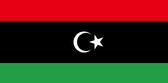
Libya
Please note that if the Foreign, Commonwealth and Development Office have advised against all (or all but essential travel) to your destination, we cannot provide cover.
Click here to visit the FCDO's Foreign Travel Advice webpage.
- Intro
- Geography
- Travel
- Embassies & Visas
- Currency
- Health
Quick Facts
Official name: State of Libya
Capital city: Tripoli
Languages spoken: Arabic, Berber, English, Italian
Population: Around 7 million
Currency: Libyan dinar (LYD)
Time zone: GMT+2
Driving side: Right
Climate: Mediterranean along the coast with hot, dry desert conditions inland; summers can be extreme, while winters on the coast are mild and rainy
Libya, on the Mediterranean coast of North Africa, is a country of desert, oil wealth, and ancient history, including the Roman ruins of Leptis Magna and Sabratha. However, since the fall of Muammar Gaddafi in 2011, Libya has struggled with political instability and conflict between rival governments and armed groups. The situation remains volatile, with frequent outbreaks of violence, and large areas of the country are unsafe for travel.
The political and security situation is unpredictable. Armed militias, sporadic clashes, and terrorist activity continue to affect many regions, including the capital, Tripoli. Infrastructure and public services have been severely weakened, and travellers face serious risks, including kidnapping and armed robbery. Travellers should always check the latest FCDO guidance before considering any trip to Libya and should exercise extreme caution and seek professional security advice.
Libya’s landscape is dominated by the Sahara Desert, which covers over 90% of the country. The north features fertile coastal plains along the Mediterranean, while the south consists of vast sand seas and rocky plateaus. Key geographical landmarks include the Nafusa Mountains in the northwest and the Tibesti Mountains in the far south near Chad.
Tripoli International Airport remains closed, and most international flights operate from Mitiga Airport in Tripoli or Benina Airport in Benghazi. Internal travel is severely restricted by checkpoints, militia control, and poor infrastructure. Road travel outside secure areas is strongly discouraged.
Most foreign embassies, including the UK’s, have suspended operations in Libya due to the security situation. UK citizens require a visa to enter Libya, but in practice, obtaining one is extremely difficult at present. Those travelling for essential reasons should consult Libyan authorities abroad before attempting travel.
The Libyan dinar (LYD) is the official currency. Cash is essential, as the banking system is fragile and ATMs are unreliable or non-functional in many areas. Foreign currencies such as US dollars and euros may be accepted on the informal market, but official exchanges are limited.
Healthcare facilities in Libya are extremely limited, with shortages of medicine, staff, and equipment across the country. Serious medical issues will almost always require evacuation. Comprehensive travel insurance with medical evacuation cover is essential. Tap water is not safe to drink, and travellers should stick to bottled supplies. Malaria is not a major concern, but other health risks exist due to the collapse of health infrastructure.