Need help?
UK Customer Services0330 880 3600*
Open Monday to Friday 9:00am to 5pm, Saturday 8:30am to 4pm and closed Sundays.
*Calls are recorded for training and quality purposes.
Go back to:
All Country Guides
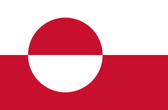
Greenland
Please note that if the Foreign, Commonwealth and Development Office have advised against all (or all but essential travel) to your destination, we cannot provide cover.
Click here to visit the FCDO's Foreign Travel Advice webpage.
- Intro
- Geography
- Travel
- Embassies & Visas
- Currency
- Health
Quick Facts
Official name: Kalaallit Nunaat
Capital city: Nuuk
Languages spoken: Greenlandic, Danish, English
Population: Around 57,000
Currency: Danish krone (DKK)
Time zone: GMT-3 to GMT-4 (varies by region)
Driving side: Right
Climate: Arctic climate with long, icy winters and cool, short summers; coastal towns get milder weather, while inland stays frozen year-round
Greenland, the world’s largest island, is an autonomous territory within the Kingdom of Denmark. Known for its dramatic landscapes of icebergs, fjords, and glaciers, it offers unique opportunities for adventure travel, from dog sledding and whale watching to witnessing the northern lights. Nuuk, the small but vibrant capital, blends Inuit culture with Danish influences, while isolated communities dot the rugged coastline.
Greenland sits between the Arctic and Atlantic Oceans, northeast of Canada and northwest of Iceland. About 80% of its surface is covered by ice, with only a narrow coastal strip habitable. The island’s geography is dominated by vast glaciers, mountains, and deep fjords. Melting ice sheets make Greenland a key focus in climate change discussions.
There are no roads connecting towns, so travel is by plane, boat, or in some regions, dogsled and snowmobile. Air Greenland operates domestic flights and international routes to Denmark and Iceland. Cruise ships also bring visitors during the short summer season. Getting around locally often involves ferries or small aircraft.
Greenland shares visa and entry rules with Denmark as part of the Kingdom of Denmark. UK citizens and many other nationals can visit visa-free for up to 90 days in a 180-day period under Schengen rules. The nearest British embassy support is in Copenhagen, with Danish authorities handling consular matters in Greenland.
Greenland uses the Danish krone (DKK). Credit cards are widely accepted in larger towns, though carrying some cash is recommended in smaller or remote areas. Living costs are high, as most goods are imported.
Healthcare is provided by regional hospitals and clinics, though facilities outside Nuuk are basic. Serious conditions often require evacuation to Denmark or Iceland. Pharmacies are available in main towns, but travellers should bring any necessary medications with them. Comprehensive travel insurance, including medical evacuation, is strongly advised.