
Need help?
UK Customer Services0330 880 3600*
Open Monday to Friday 9:00am to 5pm, Saturday 8:30am to 4pm and closed Sundays.
*Calls are recorded for training and quality purposes.
Go back to:
All Country Guides
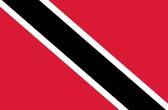
Trinidad and Tobago
Please note that if the Foreign, Commonwealth and Development Office have advised against all (or all but essential travel) to your destination, we cannot provide cover.
Click here to visit the FCDO's Foreign Travel Advice webpage.
- Intro
- Geography
- Travel
- Embassies & Visas
- Currency
- Health
Quick Facts
Official name: Republic of Trinidad and Tobago
Capital city: Port of Spain
Languages spoken: English, plus local dialects
Population: Around 1.5 million
Currency: Trinidad and Tobago dollar (TTD)
Time zone: GMT-4
Driving side: Left
Climate: Hot and humid most of the year, with a rainy season from June to December and a drier period from January to May
Trinidad and Tobago offers a mix of lively Caribbean culture and unspoiled natural escapes. Trinidad is known for its bustling cities, Carnival celebrations, and nightlife, while Tobago is more laid-back with beautiful beaches, coral reefs, and rainforests. Together, they make a diverse holiday spot with something for everyone.
Visitors should be cautious in urban areas, as violent crime and armed robbery are concerns, particularly in Port of Spain and surrounding districts. Travellers are advised to avoid walking alone at night and to use trusted taxis or organised tours. Outside the cities and tourist spots, most visits are trouble-free.
The islands are located at the southern end of the Caribbean, just off the coast of Venezuela. Trinidad is the larger island, with mountains, rivers, and a bustling economy, while Tobago is smaller, more rural, and famous for its beaches and nature reserves. Both islands sit outside the main hurricane belt, which makes them less prone to storms than many Caribbean neighbours.
Piarco International Airport (POS) on Trinidad is the main international gateway, with flights from North America, Europe, and the Caribbean. Tobago has its own airport (TAB) for regional connections, and there are regular ferries between the two islands. Popular attractions include Maracas Beach, Nylon Pool, Buccoo Reef, and the Asa Wright Nature Centre. Carnival season (February/March) is a major highlight, attracting visitors from around the world.
UK nationals do not need a visa for stays of up to 90 days. Passports should be valid for at least six months. The British High Commission is located in Port of Spain and can provide consular assistance if needed.
The local currency is the Trinidad and Tobago dollar (TTD). Credit cards are accepted in larger hotels and restaurants, but cash is often preferred in smaller businesses and rural areas. ATMs are widely available, though it’s sensible to carry some cash for Tobago and less urban regions.
Healthcare is reasonable in Port of Spain but limited on Tobago and in rural areas. Comprehensive travel insurance is strongly advised. Mosquito-borne illnesses such as dengue, chikungunya, and Zika virus are present, so repellents and protective clothing are essential. Tap water is treated in most places but bottled water is safer for travellers. The sun is strong year-round, so sun protection and hydration are key.