Need help?
UK Customer Services0330 880 3600*
Open Monday to Friday 9:00am to 5pm, Saturday 8:30am to 4pm and closed Sundays.
*Calls are recorded for training and quality purposes.
Go back to:
All Country Guides
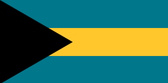
Bahamas
Please note that if the Foreign, Commonwealth and Development Office have advised against all (or all but essential) travel to your destination, we cannot provide cover.
Click here to visit the FCDO's Foreign Travel Advice webpage.
- Intro
- Geography
- Travel
- Embassies & Visas
- Currency
- Health
Quick Facts
Official name: Commonwealth of the Bahamas
Capital city: Nassau
Official language: English
Population: Around 410,000
Currency: Bahamian dollar (BSD), pegged to the US dollar
Time zone: GMT-5
Driving side: Left
Climate: Tropical and warm year-round, with hurricane season from June to November
The Bahamas is made up of more than 700 islands and cays scattered across the Atlantic. Best known for white-sand beaches, turquoise seas, and world-class resorts, the islands range from lively Nassau and Paradise Island to the quieter Out Islands. Tourism dominates the economy, with diving, snorkelling, and sailing all popular draws.
The Bahamas stretches over 500 miles of ocean, with only about 30 islands inhabited. The landscape is flat and low-lying, built mostly on limestone, with extensive coral reefs. Winters average around 21°C, summers climb into the low 30s, and storms are most likely in hurricane season (June–November).
Tourism infrastructure is well developed. Nassau and Paradise Island are the main hubs, while the Out Islands offer a more laid-back vibe. Public transport is limited, but taxis and rental cars are easy to arrange. Roads are decent in towns but patchier on smaller islands. Crime rates are generally low, though pickpocketing and theft do occur, especially in Nassau — take normal precautions.
British nationals can visit visa-free for up to 21 days, with extensions available through the Department of Immigration in Nassau. Passports should be valid for at least three months beyond entry. Other nationalities should check entry requirements before travel. There’s no British High Commission in the Bahamas — consular support comes from Kingston, Jamaica.
The Bahamian dollar (BSD) is fixed to the US dollar, and both are used interchangeably. Credit cards are accepted at hotels, resorts, and larger shops, while cash is useful for taxis, markets, and the Out Islands. ATMs are easy to find in towns and cities.
No mandatory vaccinations are required, but hepatitis A, hepatitis B and typhoid may be advised depending on your activities. Healthcare in Nassau and Freeport is reasonable but can be costly, and serious cases may need evacuation. Take out comprehensive travel insurance, including medical cover. Tap water is safe in hotels and resorts, but bottled water is readily available if preferred.