Need help?
UK Customer Services0330 880 3600*
Open Monday to Friday 9:00am to 5pm, Saturday 8:30am to 4pm and closed Sundays.
*Calls are recorded for training and quality purposes.
Go back to:
All Country Guides
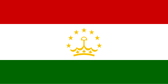
Tajikistan
Please note that if the Foreign, Commonwealth and Development Office have advised against all (or all but essential travel) to your destination, we cannot provide cover.
Click here to visit the FCDO's Foreign Travel Advice webpage.
- Intro
- Geography
- Travel
- Embassies & Visas
- Currency
- Health
Quick Facts
Official name: Republic of Tajikistan
Capital city: Dushanbe
Languages spoken: Tajik, Russian
Population: Around 9.5 million
Currency: Tajikistani somoni (TJS)
Time zone: GMT+5
Driving side: Right
Climate: Continental, with hot summers, cold winters, and alpine conditions in the mountains
Tajikistan is a rugged, mountainous country in Central Asia, famed for the Pamir Mountains — sometimes called the “Roof of the World.” Its remote landscapes, Silk Road history, and welcoming hospitality attract adventurous travellers. The Pamir Highway, one of the highest altitude roads in the world, offers stunning but challenging journeys.
Travellers should be aware that Tajikistan is politically stable under a highly centralised government, but protests are rare and strictly controlled. The country shares porous borders with Afghanistan, and tensions occasionally flare in border regions. Same-sex relationships are legal but social attitudes remain conservative, and LGBTQIA+ travellers may face difficulties outside major cities.
Tajikistan is landlocked, bordered by Afghanistan to the south, Uzbekistan to the west, Kyrgyzstan to the north, and China to the east. Over 90% of the country is mountainous, with many peaks above 7,000m. The Amu Darya and Syr Darya rivers flow through the region, and glaciers provide vital water supplies for Central Asia.
Dushanbe International Airport (DYU) is the main gateway, with limited direct flights to Europe and more connections via Istanbul, Moscow, and Dubai. Travel within Tajikistan is often slow, with poor road infrastructure outside cities. Shared taxis and domestic flights are available, but many remote regions require 4x4 vehicles. Highlights include the Fann Mountains for trekking, Iskanderkul Lake, and cultural heritage sites such as Hisor Fortress. The Pamir Highway is a bucket-list route for overland travellers, but conditions can be harsh and require careful preparation.
UK nationals need a visa to enter Tajikistan, which can usually be obtained online (e-visa). Some regions, including Gorno-Badakhshan Autonomous Region (GBAO), require additional permits. Passports should be valid for at least six months on arrival. The British Embassy in Dushanbe provides consular support, but services may be limited in remote areas.
The currency is the Tajikistani somoni (TJS). ATMs are available in Dushanbe and larger towns but can be unreliable. Credit cards are accepted in major hotels, but cash is essential for most transactions. US dollars are widely exchanged and should be brought in good condition notes. Bargaining is common in markets.
Healthcare in Tajikistan is basic and underfunded. Facilities outside Dushanbe are very limited, and even in the capital, hospitals may lack equipment and medicines. Comprehensive travel insurance, including medical evacuation, is essential. Altitude sickness can be a risk in mountain regions, and waterborne illnesses are common — bottled or boiled water should always be used. Travellers should also be prepared for extreme temperature variations between day and night in high-altitude areas.