Need help?
UK Customer Services0330 880 3600*
Open Monday to Friday 9:00am to 5pm, Saturday 8:30am to 4pm and closed Sundays.
*Calls are recorded for training and quality purposes.
Go back to:
All Country Guides
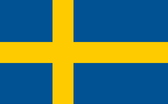
Sweden
Please note that if the Foreign, Commonwealth and Development Office have advised against all (or all but essential travel) to your destination, we cannot provide cover.
Click here to visit the FCDO's Foreign Travel Advice webpage.
- Intro
- Geography
- Travel
- Embassies & Visas
- Currency
- Health
Quick Facts
Official name: Kingdom of Sweden
Capital city: Stockholm
Languages spoken: Swedish, English
Population: Around 10.5 million
Currency: Swedish krona (SEK)
Time zone: GMT+1
Driving side: Right
Climate: Temperate in the south, subarctic in the north, with long winters and mild summers
Sweden is a country of stunning natural beauty, dotted with lakes, forests, and a vast archipelago of islands. Its cities, like Stockholm, Gothenburg, and Malmö, are clean, modern, and known for their design, culture, and innovation. Sweden is also famous for its progressive values, relaxed lifestyle, and easy access to the outdoors, making it ideal for travellers seeking both urban sophistication and nature escapes.
The country is politically stable, but visitors should note that demonstrations occasionally take place in urban centres. These are typically peaceful but may cause temporary disruption to traffic or public transport. Travellers will generally find Sweden welcoming, tolerant, and easy to navigate.
Sweden occupies the eastern side of the Scandinavian Peninsula, sharing land borders with Norway to the west and Finland to the northeast. The Baltic Sea lies to the south and east. Much of the country is forested, with mountains in the north and fertile plains in the south. Sweden’s long coastline includes thousands of islands, and the Northern Lights are visible in Lapland during the winter months.
Sweden is well connected internationally, with major airports in Stockholm Arlanda (ARN), Gothenburg Landvetter (GOT), and Malmö. High-speed trains link Stockholm with Gothenburg, Malmö, and Copenhagen in Denmark. Domestic flights cover longer distances, particularly to northern Lapland. Popular attractions include Stockholm’s Old Town (Gamla Stan), the Vasa Museum, Drottningholm Palace, and the Icehotel in Jukkasjärvi. Nature lovers can enjoy hiking in Abisko National Park, kayaking in the archipelago, or skiing in Åre.
As part of the Schengen Area, Sweden allows UK nationals to visit visa-free for up to 90 days in any 180-day period. Passports must be valid for at least three months beyond departure. The British Embassy is located in Stockholm, offering full consular support for travellers.
Sweden uses the krona (SEK). Credit and debit cards are widely accepted, and the country is increasingly cashless, with many businesses refusing cash altogether. Contactless payments and mobile apps are common. Tipping is not obligatory, though rounding up a bill or leaving small change in restaurants is appreciated.
Healthcare in Sweden is of a high standard. While emergency care is available, treatment can be expensive for non-EU visitors, so comprehensive travel insurance is essential. Pharmacies (Apotek) are widespread and can provide most over-the-counter medicines. Tap water is clean and safe to drink everywhere. Winters can be very cold, especially in the north, so appropriate clothing and awareness of icy conditions are important for safe travel.