Need help?
UK Customer Services0330 880 3600*
Open Monday to Friday 9:00am to 5pm, Saturday 8:30am to 4pm and closed Sundays.
*Calls are recorded for training and quality purposes.
Go back to:
All Country Guides
Other Guides
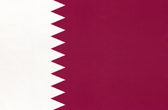
Qatar
Please note that if the Foreign, Commonwealth and Development Office have advised against all (or all but essential travel) to your destination, we cannot provide cover.
Click here to visit the FCDO's Foreign Travel Advice webpage.
- Intro
- Geography
- Travel
- Embassies & Visas
- Currency
- Health
Quick Facts
Official name: State of Qatar
Capital city: Doha
Languages spoken: Arabic, English
Population: Around 3 million
Currency: Qatari riyal (QAR)
Time zone: GMT+3
Driving side: Right
Climate: Hot desert climate with long, scorching summers, mild winters, and very little rainfall
Qatar is a small but wealthy Gulf nation best known for its modern skyline, thriving economy, and ambitious cultural projects. Doha, the capital, combines futuristic architecture with traditional souqs and a growing arts scene. The country rose to global prominence by hosting the FIFA World Cup in 2022, leaving a legacy of world-class infrastructure. Despite its size, Qatar plays an outsized role in regional politics and global energy markets thanks to its vast reserves of natural gas.
Located on a peninsula in the Arabian Gulf, Qatar shares its only land border with Saudi Arabia and is surrounded by water on three sides. The terrain is flat and arid, with sandy deserts and a low coastline. Inland, limestone formations and salt flats break up the desert, while the coastal areas are dotted with mangroves and beaches.
Hamad International Airport in Doha is Qatar’s main gateway, with extensive international connections and one of the world’s busiest hubs. Within the country, taxis and rideshare apps are common, while a new metro system makes getting around Doha quick and affordable. Driving is possible, though local driving standards can be erratic. Qatar is also investing in cultural tourism, with highlights including the Museum of Islamic Art and the National Museum of Qatar.
UK citizens can enter Qatar visa-free for short stays of up to 30 days, with the option to extend. Longer stays for work or residency require sponsorship and permits. The British Embassy is located in Doha, and most other nations also maintain representation in the capital.
The Qatari riyal (QAR) is pegged to the US dollar, making exchange rates stable. ATMs and card payments are widely available, though carrying some cash is useful for smaller transactions. Qatar is an expensive country, particularly for accommodation and dining, though public transport remains good value.
Healthcare in Qatar is of a high standard, with modern hospitals and clinics, especially in Doha. Emergency services are reliable, and many staff speak English. Tap water is generally safe but most visitors prefer bottled water. Travellers should ensure they have comprehensive health insurance, as medical costs can be high for those without coverage.