Need help?
UK Customer Services0330 880 3600*
Open Monday to Friday 9:00am to 5pm, Saturday 8:30am to 4pm and closed Sundays.
*Calls are recorded for training and quality purposes.
Go back to:
All Country Guides
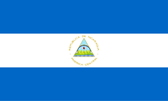
Nicaragua
Please note that if the Foreign, Commonwealth and Development Office have advised against all (or all but essential travel) to your destination, we cannot provide cover.
Click here to visit the FCDO's Foreign Travel Advice webpage.
- Intro
- Geography
- Travel
- Embassies & Visas
- Currency
- Health
Quick Facts
Official name: Republic of Nicaragua
Capital city: Managua
Languages spoken: Spanish, English, indigenous languages
Population: Around 7 million
Currency: Nicaraguan córdoba (NIO)
Time zone: GMT-6
Driving side: Right
Climate: Tropical climate with a wet season from May to October and a dry season from November to April; generally hot and humid, cooler in the highlands
Nicaragua, the largest country in Central America, is often called the “Land of Lakes and Volcanoes.” It offers dramatic scenery, from colonial cities like Granada and León to Pacific surf beaches and Caribbean islands. While many travellers come for the eco-tourism and adventure activities, Nicaragua has also experienced political unrest in recent years, so visitors should stay informed before travelling.
The country borders Honduras to the north and Costa Rica to the south, with coastlines on both the Pacific Ocean and the Caribbean Sea. The interior features large freshwater lakes such as Lake Managua and Lake Nicaragua, volcanic chains, tropical forests, and fertile valleys. The Caribbean coast, known as the Mosquito Coast, is more remote and less developed.
Most international visitors arrive at Augusto C. Sandino International Airport near Managua. Domestic flights connect the capital with coastal towns and Caribbean islands, while long-distance buses serve much of Central America. Roads between major cities are generally good, but conditions can deteriorate in rural areas. Public buses are cheap but crowded, and many visitors opt for private shuttles or car hire.
UK citizens can enter Nicaragua visa-free for up to 90 days as part of the Central America-4 Border Control Agreement, which also covers Honduras, El Salvador, and Guatemala. Passports should be valid for at least six months. Longer stays or work and study visits require the appropriate permits, which must be arranged through Nicaraguan immigration authorities.
The Nicaraguan córdoba (NIO) is the official currency, though US dollars are also widely accepted, especially in tourist areas. ATMs are available in cities and larger towns, but less so in rural areas. Credit and debit cards are accepted in hotels, restaurants, and larger shops, though cash is often needed for small purchases and in remote regions.
Healthcare in Nicaragua varies greatly. Facilities in Managua and larger cities are adequate, but standards drop sharply in rural areas. Many doctors in the capital speak English. Travellers should have comprehensive insurance that covers medical evacuation. Tap water is not considered safe to drink, so bottled or boiled water is advised. Dengue fever, Zika virus, and chikungunya are present, so precautions against mosquito bites are important.