Need help?
UK Customer Services0330 880 3600*
Open Monday to Friday 9:00am to 5pm, Saturday 8:30am to 4pm and closed Sundays.
*Calls are recorded for training and quality purposes.
Go back to:
All Country Guides
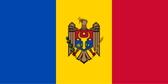
Moldova
Please note that if the Foreign, Commonwealth and Development Office have advised against all (or all but essential travel) to your destination, we cannot provide cover.
Click here to visit the FCDO's Foreign Travel Advice webpage.
- Intro
- Geography
- Travel
- Embassies & Visas
- Currency
- Health
Quick Facts
Official name: Republic of Moldova
Capital city: Chisinau
Languages spoken: Romanian, Russian, Gagauz, Ukrainian
Population: Around 2.5 million
Currency: Moldovan leu (MDL)
Time zone: GMT+2
Driving side: Right
Climate: Moderate continental, with warm summers and cold, snowy winters
Moldova, nestled between Romania and Ukraine, is one of Europe’s lesser-known destinations. It is known for its rolling vineyards, tranquil monasteries, and rustic countryside. Chisinau, the capital, has Soviet-era architecture, leafy parks, and a growing café culture. Travellers are drawn to its off-the-beaten-path charm and welcoming hospitality.
Moldova is landlocked and lies in Eastern Europe, bordered by Romania to the west and Ukraine to the north, east, and south. The terrain is mostly hilly plains with a mild landscape, crossed by rivers such as the Dniester and Prut. The fertile soil supports Moldova’s extensive wine industry, which plays a central role in its culture and economy.
Chisinau International Airport is the main gateway, offering flights to major European hubs. Within the country, travel is often by bus or minibus (marshrutkas), which are cheap and frequent but can be crowded. Roads outside cities can be poorly maintained. Rail links connect Chisinau with neighbouring countries, though services are generally slow.
UK and EU citizens can enter Moldova visa-free for stays of up to 90 days within a 180-day period. Passports must be valid for at least three months beyond the intended stay. Longer stays or work visits require the appropriate permits. The British Embassy in Chisinau provides assistance to UK nationals.
The Moldovan leu (MDL) is the official currency. Credit cards are accepted in larger hotels, restaurants, and shops, but cash is preferred in rural areas. ATMs are common in cities but can be unreliable. Costs are relatively low compared to most of Europe, making Moldova a budget-friendly destination.
Healthcare facilities in Moldova are limited and may not meet Western standards, especially outside Chisinau. Medical staff may have limited English proficiency. Travellers should ensure they have comprehensive travel insurance with evacuation cover. Tap water is not always safe to drink, so bottled water is recommended. Pharmacies are available in cities but supplies can be inconsistent.