Need help?
UK Customer Services0330 880 3600*
Open Monday to Friday 9:00am to 5pm, Saturday 8:30am to 4pm and closed Sundays.
*Calls are recorded for training and quality purposes.
Go back to:
All Country Guides
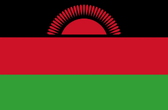
Malawi
Please note that if the Foreign, Commonwealth and Development Office have advised against all (or all but essential travel) to your destination, we cannot provide cover.
Click here to visit the FCDO's Foreign Travel Advice webpage.
- Intro
- Geography
- Travel
- Embassies & Visas
- Currency
- Health
Quick Facts
Official name: Republic of Malawi
Capital city: Lilongwe
Languages spoken: English, Chichewa
Population: Around 21 million
Currency: Malawian kwacha (MWK)
Time zone: GMT+2
Driving side: Left
Climate: Tropical, with a hot rainy season from November to April, followed by cooler, dry winters and pleasantly warm springs
Malawi, often called the “Warm Heart of Africa,” is a landlocked country famous for the vast Lake Malawi, which dominates much of its geography and culture. Known for its friendly people, stunning scenery, and growing ecotourism sector, Malawi offers everything from wildlife safaris to highland hiking. Despite widespread poverty, it remains one of the most welcoming destinations in Africa, with a sense of calm and authenticity that appeals to travellers seeking an off-the-beaten-path experience.
Malawi stretches along the western shores of Lake Malawi, which makes up nearly a fifth of the country’s area. The Great Rift Valley shapes much of the landscape, with rolling highlands, fertile plains, and escarpments leading down to the lake. Notable features include Mount Mulanje, the country’s highest peak, and the Nyika Plateau.
Most international visitors arrive through Kamuzu International Airport in Lilongwe or Chileka Airport in Blantyre. Public transport consists mainly of minibuses and shared taxis, which can be slow and crowded, but affordable. Domestic flights are limited, and many visitors choose private transfers or car hire for more comfort. Roads between major towns are paved but conditions vary in rural areas.
UK citizens and many other nationals require a visa to enter Malawi, which can often be obtained online or on arrival. A valid passport with at least six months’ validity is essential. The British High Commission is located in Lilongwe and provides consular assistance.
The Malawian kwacha (MWK) is the official currency. Cash is widely used, particularly outside of main cities. ATMs are available in Lilongwe, Blantyre, and other large towns, though not always reliable. Credit card use is growing but remains limited, so carrying local currency is important.
Healthcare facilities in Malawi are basic, with serious conditions often requiring evacuation to South Africa or beyond. Malaria is widespread, especially during the rainy season, and prophylaxis is recommended. Visitors should also take precautions against waterborne diseases and ensure routine vaccinations are up to date. Comprehensive travel insurance, including medical evacuation, is essential.