Need help?
UK Customer Services0330 880 3600*
Open Monday to Friday 9:00am to 5pm, Saturday 8:30am to 4pm and closed Sundays.
*Calls are recorded for training and quality purposes.
Go back to:
All Country Guides
Other Guides
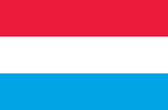
Luxembourg
Please note that if the Foreign, Commonwealth and Development Office have advised against all (or all but essential travel) to your destination, we cannot provide cover.
Click here to visit the FCDO's Foreign Travel Advice webpage.
- Intro
- Geography
- Travel
- Embassies & Visas
- Currency
- Health
Quick Facts
Official name: Grand Duchy of Luxembourg
Capital city: Luxembourg City
Languages spoken: Luxembourgish, French, German
Population: Around 650,000
Currency: Euro (EUR)
Time zone: GMT+1
Driving side: Right
Climate: Luxembourg has a mild climate with cool winters and warm, often pleasant summers, though rain is fairly common year-round
Small but influential, Luxembourg is a founding member of the EU, NATO, and the UN, and plays host to several major European institutions. Its historic capital is known for dramatic fortifications, winding streets, and a cosmopolitan feel shaped by its multilingual population. Beyond the city, rolling hills, vineyards, and medieval castles make Luxembourg a surprisingly diverse destination despite its size. Political stability and high living standards have also made it a hub for international finance and institutions.
Luxembourg shares borders with Belgium, France, and Germany. The terrain is split between the hilly Ardennes in the north and the flatter Gutland region in the south. The Moselle Valley, shared with Germany, is famous for wine production. Forests cover more than a third of the country, and rivers cut through picturesque valleys.
Luxembourg Airport, near the capital, offers flights to many European destinations. The country has excellent rail and bus connections, and public transport is free for everyone - a global first introduced in 2020. The small size makes it easy to explore by car, bike, or train, with most towns and attractions within an hour of the capital.
As an EU and Schengen member, Luxembourg allows UK citizens and many other nationals visa-free entry for up to 90 days in a 180-day period. Longer stays for work or study require appropriate permits. The British Embassy in Luxembourg City closed in 2011; UK consular services are handled from Brussels, though other EU embassies operate locally.
The euro (EUR) is the official currency. Credit and debit cards are widely accepted, and ATMs are easy to find. Prices can be high compared to neighbouring countries, especially in the capital, but standards of service and infrastructure are excellent.
Healthcare in Luxembourg is of a very high standard. EU and UK travellers can access state-provided services with an EHIC/GHIC card, but travel insurance is recommended to cover private treatment and repatriation if needed. Pharmacies are plentiful, and doctors often speak English, French, or German. Tap water is safe to drink.