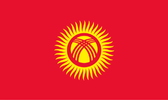
Kyrgyzstan
After seven decades of Soviet rule, Kyrgyzstan emerged as an independent state with the collapse of the Soviet Union in 1991. A small, mountainous country with a predominantly agricultural economy, Kyrgyzstan has been noted among Central Asian countries for enacting market reforms, selling off state-owned enterprises, and adopting democratic principles. Despite progress, Kyrgyzstan remains one of the poorest countries of the former Soviet Union.
Former President Askar Akayev took office in 1990 and led the country until a popular revolt in March 2005, when alleged government interference in parliamentary elections sparked a wave of protests, fuelled by poverty and corruption. Kurmanbek Bakiev, who had been acting president since March (and formerly prime minister), won a landslide presidential election victory in July 2005, promising to root out corruption and nepotism and fight poverty. Foreign observers said the poll showed clear progress in democratic standards. Akayev fled to Russia.
Rumbling unrest in Kyrgyzstan posed a challenge to Bakayev’s authority. Several members of parliament were shot since he came to power, force has been used to put down prison riots in which there have been several deaths, and there are allegations that the influence of organized crime is increasing. Bakiev has had a very uneasy relationship with parliament and accuses MPs of obstructing key legislation and contributing to instability. MPs have accused him of backtracking on promises to redistribute some of his powers to parliament.
Felix Kulov, President Bakiev's nominee for the premiership, was approved by parliament in September 2005. Kulov was jailed during the presidency of Askar Akayev under whom he once served as security chief. He was released from prison after Akayev was ousted. Charges of abuse of office were dropped.
There is tension between the Kyrgyz, Uzbek and Russian communities over access to land and housing, and inter-ethnic relations generally have been aggravated by official discrimination in favor of Kyrgyz speakers. Such discrimination has created a steady exodus of skilled Russians, which in 2000 the authorities tried to stem by making Russian an official language and by promising the Russian minority dual citizenship.
Following the 11 September attacks on the US, the Kyrgyz leadership agreed to allow US forces to use Bishkek's Manas airport as a base. Then in September 2003 agreement was reached with Moscow allowing Russian rapid-reaction, anti-terror forces to deploy at the Kant airbase, just 18 miles (30 km) from their US counterparts.
In the energy sector, Kyrgyzstan's lack of oil and gas reserves has left the country dependent on imports for its energy supplies, particularly natural gas from Uzbekistan. Yet, with an abundance of mountain rivers, Kyrgyzstan has significant hydroelectric potential, and with sufficient capital investment, Kyrgyzstan may be able to harness more power to meet the country's energy needs.
Since the change of government in 2005, several Kyrgyz MPs have been assassinated. In October 2005 demonstrations occurred in front of the Parliament and in Ala-Too Square in Bishkek, following the death of an MP during a prison riot. In January 2006, following an attempt by the government to replace local governors, demonstrations in support of the governors occurred in Osh and Jalalabad. In March and April 2006, further large demonstrations took place in front of Parliament. On May 10, an alleged organized-crime leader was assassinated outside a mosque near Bishkek. All these incidents are related to internal issues and have not been directed against foreign visitors. However, political tensions are an ongoing concern. For more information on subsequent protests, especially those in Bishkek, please see "Recent Incidents" below.
Supporters of extremist groups such as the Islamic Movement of Uzbekistan (IMU), the Islamic Jihad Union (IJU), al-Qaida, and the Eastern Turkistan Islamic Movement remain active in Central Asia. Terrorist attacks involving the use of suicide bombers have previously taken place in neighboring Uzbekistan. In addition, hostage-taking incidents involving foreigners occurred during the summers of 1999 and 2000, including one incident in the summer of 2000 involving US citizens. In August 2000, members of the Islamic Movement of Uzbekistan (IMU), a group designated by the US as a terrorist organization, crossed the Tajik-Kyrgyz border, engaged Kyrgyz security forces, and took four US climbers and eight German tourists hostage in separate attacks. Periodic fighting between Kyrgyz forces and the IMU has resulted in a number of reported Kyrgyz fatalities. In 1999, armed IMU militants from Tajikistan took four Japanese citizens hostage.
Avoid all travel to rural areas along the Kyrgyz-Uzbek and Kyrgyz-Tajik borders. Tensions exist over recognition of the Kyrgyz-Uzbek borders and anyone who must travel there should ensure that they only use officially recognized border crossings. These tensions remain heightened following the events in Andijan, Uzbekistan in May 2005. There is a risk that uncontrolled border areas may be land-mined.
There is a history of terrorist activity and armed violence, particularly south and west of the provincial capital of Osh, where there have been several terrorist attacks and hostage-takings in the past. In southern Kyrgyzstan in November 2004, a man stopped by the police in Osh detonated a grenade killing himself and a police officer.
In addition, land mines in Batken Oblast and near the Kyrgyz-Tajik border continue to be a concern.
Harassment and extortion by people who purport to be Kyrgyz police officers is common.
Crime
Violent crime is high and foreigners have been targeted. According to Kyrgyz law enforcement officials, the situation has worsened since the change of government in March 2005. Organized gangs are common. Robbery, mugging, and pickpocketing occur frequently near major hotels, bars, and parks, and on public transportation. Remain vigilant, and ensure personal belongings and documents are secure. Do not show signs of affluence and avoid carrying large sums of money. Keep a legally certified copy of your visa and registration with you at all times and keep your passport and visa in safe-keeping facilities. The police can arrest visitors who do not carry identification.
Some robberies have been committed by men in police uniforms. If approached, ask to see police credentials. Do not walk or travel alone, especially at night. Use only officially marked taxis, pre-negotiate fares, and do not share a ride with strangers. Men posing as "meet and greet" airport facilitators lure unsuspecting foreigners into cars and demand money. Make prior arrangements with their contacts and ask for identification upon arrival – even if the person in question knows your name. Do not leave with anyone who does not show pre-arranged identification.
Police assistance, in most criminal cases, is minimal. The government is taking steps to reduce the crime level, and has initiated walking militia patrols throughout the city.
Since the change of government in 2005, several Kyrgyz MPs have been assassinated. In October 2005 demonstrations occurred in front of the Parliament and in Ala-Too Square in Bishkek, following the death of an MP during a prison riot. In January 2006, following an attempt by the government to replace local governors, demonstrations in support of the governors occurred in Osh and Jalalabad. In March and April 2006, further large demonstrations took place in front of Parliament. On May 10, an alleged organized-crime leader was assassinated outside a mosque near Bishkek. All these incidents are related to internal issues and have not been directed against foreign visitors. However, political tensions are an ongoing concern. For more information on subsequent protests, especially those in Bishkek, please see "Recent Incidents" below.