Need help?
UK Customer Services0330 880 3600*
Open Monday to Friday 9:00am to 5pm, Saturday 8:30am to 4pm and closed Sundays.
*Calls are recorded for training and quality purposes.
Go back to:
All Country Guides
Other Guides
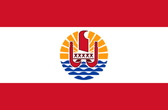
French Polynesia
Please note that if the Foreign, Commonwealth and Development Office have advised against all (or all but essential travel) to your destination, we cannot provide cover.
Click here to visit the FCDO's Foreign Travel Advice webpage.
- Intro
- Geography
- Travel
- Embassies & Visas
- Currency
- Health
Quick Facts
Official name: French Polynesia (Pays d’outre-mer)
Capital city: Papeete (Tahiti)
Official language: French, Tahitian
Population: Around 280,000
Currency: CFP franc (XPF)
Time zone: GMT-10
Driving side: Right
Climate: Tropical maritime climate with a warm, humid wet season from November to April, and a cooler, drier season from May to October
French Polynesia is a collection of more than 100 islands scattered across the South Pacific, best known for Tahiti, Bora Bora, and Moorea. Its crystal-clear lagoons, coral reefs, and overwater bungalows have made it one of the world’s most iconic luxury destinations. Beyond the postcard beaches, visitors will find Polynesian traditions, vibrant handicrafts, and a slower pace of life shaped by island culture and the sea.
The territory is divided into five main island groups: the Society Islands, Tuamotu Archipelago, Gambier Islands, Marquesas, and Austral Islands. Most islands are volcanic or coral atolls, with Tahiti being the largest and most populous. Mountains, lagoons, and reefs dominate the landscape, offering exceptional biodiversity both on land and underwater.
Tahiti’s Faa’a International Airport is the primary entry point, with flights from Los Angeles, Paris, Auckland, and Tokyo. Inter-island travel is common and is served by Air Tahiti flights, ferries, and small boats. Roads are good on the larger islands, with car hire widely available. On smaller atolls, bicycles and scooters are popular ways to get around.
As an overseas territory of France, French Polynesia follows French entry rules. UK citizens and many other nationals can visit visa-free for short stays of up to 90 days in a 180-day period. Longer stays or work permits require visas via the French consulate. There is no British Embassy in French Polynesia; consular services are provided by the British Embassy in Paris and supported locally by EU partners.
The CFP franc (XPF), pegged to the euro, is the official currency. Credit cards are widely accepted in hotels, resorts, and larger restaurants, though smaller shops and remote islands may prefer cash. ATMs are available in towns but less so on outer islands. The cost of living is high, with many goods imported from mainland France or New Zealand.
Healthcare facilities in Papeete are modern and adequate, but medical care is limited on smaller islands. Serious conditions may require evacuation to New Zealand or France. Mosquito-borne illnesses such as dengue, Zika, and chikungunya occur, so insect protection is important. Tap water is safe to drink on Tahiti and Bora Bora but not always reliable elsewhere. Comprehensive travel insurance with evacuation cover is essential for visitors.