Need help?
UK Customer Services0330 880 3600*
Open Monday to Friday 9:00am to 5pm, Saturday 8:30am to 4pm and closed Sundays.
*Calls are recorded for training and quality purposes.
Go back to:
All Country Guides
Other Guides
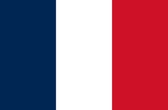
France
Please note that if the Foreign, Commonwealth and Development Office have advised against all (or all but essential travel) to your destination, we cannot provide cover.
Click here to visit the FCDO's Foreign Travel Advice webpage.
- Intro
- Geography
- Travel
- Embassies & Visas
- Currency
- Health
Quick Facts
Official name: French Republic
Capital city: Paris
Official language: French
Population: Around 68 million
Currency: Euro (EUR)
Time zone: GMT+1
Driving side: Right
Climate: Temperate overall, Mediterranean in the south, oceanic in the west, and alpine in the mountainous regions
France is one of the world’s most visited countries, renowned for its art, culture, cuisine, and varied landscapes. Paris dazzles with its museums, monuments, and fashion, while the French Riviera offers glamour and sunshine. Beyond the cities, the country boasts charming villages, vineyards, alpine resorts, and a rich historical heritage. From beaches to mountains, France blends tradition and modernity in every corner.
France is Western Europe’s largest country, bordered by Belgium, Luxembourg, Germany, Switzerland, Italy, Monaco, Spain, and Andorra. It also has long coastlines along the Atlantic Ocean, the Mediterranean Sea, and the English Channel. The landscape includes fertile plains, the rugged Pyrenees and Alps, and major rivers such as the Loire, Seine, and Rhône. Its overseas territories span the globe, extending French influence far beyond Europe.
France is well connected by air, with Paris Charles de Gaulle and Orly airports serving as major international hubs. The TGV high-speed rail network links cities across France and into neighbouring countries, while regional trains and buses provide extensive coverage. Driving is convenient, though toll roads are common. Public transport in Paris and other major cities is efficient, with metros, buses, and trams widely used. Domestic flights are available, though many are being replaced by rail connections.
As part of the EU and Schengen Area, France allows UK citizens and other eligible nationals visa-free travel for up to 90 days within a 180-day period. Longer stays for work, study, or residence require the appropriate visa or permit. The British Embassy is in Paris, with consulates in several regional cities.
France uses the euro (EUR). Credit and debit cards are widely accepted, and ATMs are available throughout the country. France can be moderately expensive, especially in Paris and resort areas, though budget-friendly options exist in rural regions and smaller towns.
France has an excellent healthcare system, with high-quality hospitals and clinics. Emergency care is widely available, and English-speaking doctors can be found in larger cities and tourist areas. EU visitors can use an EHIC/GHIC card for necessary state healthcare, but comprehensive travel insurance is recommended to cover private treatment or medical evacuation. Tap water is safe to drink nationwide.