Need help?
UK Customer Services0330 880 3600*
Open Monday to Friday 9:00am to 5pm, Saturday 8:30am to 4pm and closed Sundays.
*Calls are recorded for training and quality purposes.
Go back to:
All Country Guides
Other Guides
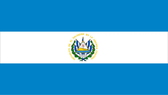
El Salvador
Please note that if the Foreign, Commonwealth and Development Office have advised against all (or all but essential travel) to your destination, we cannot provide cover.
Click here to visit the FCDO's Foreign Travel Advice webpage.
- Intro
- Geography
- Travel
- Embassies & Visas
- Currency
- Health
Quick Facts
Official name: Republic of El Salvador
Capital city: San Salvador
Languages spoken: Spanish, English
Population: Around 6.5 million
Currency: US dollar (USD)
Time zone: GMT-6
Driving side: Right
Climate: Tropical with wet and dry seasons; hot and humid on the coast, cooler in highlands
El Salvador is Central America’s smallest nation, yet it is known for its striking landscapes of volcanoes, lakes and Pacific beaches. Nicknamed the “Land of Volcanoes,” it has a rich cultural heritage, from pre-Columbian ruins to colonial towns. While the country has faced challenges with crime and security, tourism is growing steadily, with visitors drawn to surfing, hiking, and vibrant local traditions.
El Salvador shares borders with Honduras and Guatemala, with a long Pacific coastline. The country is mountainous, with more than 20 volcanoes, several of which remain active. Fertile valleys between the mountains support coffee production, while coastal plains are known for agriculture and fishing. Natural hazards include earthquakes, volcanic eruptions, hurricanes and flooding during the rainy season.
San Salvador International Airport (Monseñor Óscar Arnulfo Romero Airport) is the main gateway, with regional and international connections. Roads connect most towns and cities, though driving can be challenging due to traffic and poor road conditions in some areas. Public buses are inexpensive but often overcrowded. Tourism highlights include surfing at El Tunco and El Zonte, exploring Mayan ruins such as Joya de Cerén, and hiking the Santa Ana volcano.
UK and most EU nationals can enter El Salvador without a visa for up to 90 days. A passport valid for at least six months beyond entry is required. Visitors may need to pay a small entry fee on arrival. Longer stays or different purposes of visit require a visa from a Salvadoran embassy or consulate. The British Embassy in San Salvador provides consular support.
The US dollar is the main currency, though Bitcoin is also legal tender. While Bitcoin is accepted in some businesses, especially in tourist areas, cash in US dollars remains the most widely used. ATMs are available in urban areas, and credit cards are accepted in larger hotels and restaurants. Smaller shops and rural communities often prefer cash.
Healthcare in San Salvador and larger cities is adequate in private hospitals, but limited elsewhere. Rural medical facilities are basic. Risks include mosquito-borne illnesses such as dengue, chikungunya and Zika virus, particularly during the wet season. Tap water is not safe to drink — bottled or boiled water should be used. Vaccinations against hepatitis A, typhoid and rabies may be advised depending on the nature of travel. Comprehensive travel insurance is strongly recommended, especially for emergency evacuation.