Need help?
UK Customer Services0330 880 3600*
Open Monday to Friday 9:00am to 5pm, Saturday 8:30am to 4pm and closed Sundays.
*Calls are recorded for training and quality purposes.
Go back to:
All Country Guides
Other Guides
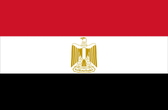
Egypt
Please note that if the Foreign, Commonwealth and Development Office have advised against all (or all but essential travel) to your destination, we cannot provide cover.
Click here to visit the FCDO's Foreign Travel Advice webpage.
- Intro
- Geography
- Travel
- Embassies & Visas
- Currency
- Health
Quick Facts
Official name: Arab Republic of Egypt
Capital city: Cairo
Official language: Arabic, English, French
Population: Around 112 million
Currency: Egyptian pound (EGP)
Time zone: GMT+2
Driving side: Right
Climate: Predominantly desert climate - hot and dry summers, mild winters. Mediterranean coast is cooler and more humid, while Upper Egypt and desert regions can reach extreme summer temperatures.
Egypt is one of the world’s most iconic travel destinations, blending ancient history with vibrant modern culture. From the Pyramids of Giza and the temples of Luxor to the bustling streets of Cairo and the beaches of the Red Sea, the country offers a wealth of experiences. As the historic gateway between Africa and the Middle East, Egypt continues to draw millions of visitors with its unique mix of archaeology, culture and natural beauty.
Egypt lies in the northeast corner of Africa, bordered by Libya, Sudan, Israel and the Gaza Strip, with coastlines along both the Mediterranean and Red Seas. The Nile River runs the length of the country, supporting the majority of its population and agriculture. Vast desert plateaus dominate much of the land, punctuated by oases and archaeological sites. Natural hazards include sandstorms, flash floods and occasional earthquakes.
Cairo International Airport is the main entry point, with direct flights linking Egypt to Europe, Africa, the Middle East and beyond. Popular travel routes include Nile cruises between Luxor and Aswan, trips to the Red Sea resorts of Sharm El Sheikh and Hurghada, and cultural tours of ancient sites. Rail and bus networks connect major cities, though infrastructure can vary in quality. Visitors should check current FCDO travel advice before venturing into remote areas such as parts of Sinai or the Western Desert.
Most visitors, including UK nationals, require a visa to enter Egypt. Tourist visas are available online via the official e-Visa portal, at Egyptian embassies, or on arrival at major airports for short stays. Passports must be valid for at least six months beyond the date of entry. The British Embassy is located in Cairo, with a consulate in Alexandria.
The Egyptian pound (EGP) is the official currency. ATMs are widely available in urban centres, and credit cards are accepted in hotels, larger restaurants and shops. Cash is preferred in markets and rural areas. US dollars and euros are sometimes accepted in tourist zones, but exchange into EGP is generally recommended.
Medical facilities in Cairo, Alexandria and major tourist centres are adequate, with private hospitals offering better standards of care than public ones. Facilities in rural and desert areas are very limited. Risks include sunstroke, dehydration, and food- or water-borne illnesses. Tap water is not safe to drink — bottled water should always be used. Travellers visiting Upper Egypt or rural areas should be mindful of mosquito-borne illnesses. Comprehensive medical insurance with evacuation cover is strongly recommended.