Need help?
UK Customer Services0330 880 3600*
Open Monday to Friday 9:00am to 5pm, Saturday 8:30am to 4pm and closed Sundays.
*Calls are recorded for training and quality purposes.
Go back to:
All Country Guides
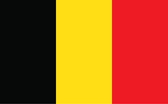
Belgium
- Intro
- Geography
- Travel
- Embassies & Visas
- Currency
- Health
Quick Facts
Official name: Kingdom of Belgium
Capital city: Brussels
Official languages: Dutch, French, German
Population: Around 11.8 million
Currency: Euro (EUR)
Time zone: GMT+1
Driving side: Right
Climate: Temperate maritime - mild summers, cool winters, frequent rain
Belgium lies at the crossroads of Western Europe, bordered by France, the Netherlands, Germany, Luxembourg and the North Sea. Compact yet culturally diverse, it is famous for medieval cities such as Bruges and Ghent, contemporary design, world-class museums, and culinary icons including chocolate, beer, and fries. Brussels doubles as the EU’s political heart and NATO headquarters, giving the country a global presence alongside strong Flemish and Walloon identities.
Belgium’s landscape is varied despite its small size. Flat coastal plains dominate the north, central regions feature rolling hills and river valleys, and the Ardennes in the south offer forested uplands and rugged terrain. The highest point, Signal de Botrange, rises to 694 m. The climate is temperate, with mild summers, cool winters, and frequent rain. Flooding can affect low-lying areas, but extensive flood defences and infrastructure are in place.
Road and rail networks are excellent, with Brussels offering metro, tram and bus systems, and intercity trains linking major towns efficiently. Driving is on the right. Low Emission Zones exist in Brussels, Antwerp and Ghent - vehicles may need registration before entering. Petty crime, particularly pickpocketing in stations and busy public transport, is the main risk. Standard precautions are sufficient. Tap water is safe to drink.
As part of the Schengen Area, Belgium allows visa-free stays of up to 90 days in any 180-day period for UK, US, Canadian, Australian, New Zealand and many other nationals. EU/EEA and Swiss citizens can enter freely with a passport or national ID. Longer stays for work, study or residence require the appropriate visa or permit. Passports should generally be valid for at least three months beyond the planned departure date and issued within the last 10 years. Always confirm requirements with a Belgian consulate or embassy before travel.
The currency is the euro (EUR). Cards and contactless payments are widely accepted, and ATMs are easy to find. Some smaller cafés, taxis, or markets may prefer cash. There are no restrictions on moving currency within the EU beyond standard declaration limits.
Healthcare standards are high across Belgium, with pharmacies widespread and hospitals in major cities often staffed by English-speaking professionals. EU visitors should carry an EHIC; UK visitors should carry a GHIC, but both should also have full travel insurance. Routine vaccinations should be up to date. Tick-borne Lyme disease exists in forested areas like the Ardennes, so insect precautions are recommended when hiking.