Need help?
UK Customer Services0330 880 3600*
Open Monday to Friday 9:00am to 5pm, Saturday 8:30am to 4pm and closed Sundays.
*Calls are recorded for training and quality purposes.
Go back to:
All Country Guides
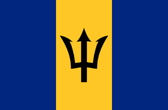
Barbados
Please note that if the Foreign, Commonwealth and Development Office have advised against all (or all but essential) travel to your destination, we cannot provide cover.
Click here to visit the FCDO's Foreign Travel Advice webpage.
- Intro
- Geography
- Travel
- Embassies & Visas
- Currency
- Health
Quick Facts
Official name: Barbados
Capital city: Bridgetown
Official language: English
Population: Around 280,000
Currency: Barbadian dollar (BBD), pegged to the US dollar
Time zone: GMT-4
Driving side: Left
Climate: Tropical, with a dry season (Dec–Jun) and a hurricane season (Jun–Nov)
Barbados blends Caribbean warmth with British heritage, offering palm-fringed beaches, a lively music and food scene, and welcoming hospitality. Known for being safe and easy to explore, it attracts everyone from independent backpackers to luxury holidaymakers. Tourism drives much of the economy, alongside sugar production and financial services.
Barbados lies east of the main Caribbean island chain, bordered by the Atlantic Ocean. Its east coast is wilder and suited to surfing, while the calmer west coast is known for resorts and clear waters. The island is relatively flat with rolling hills inland. Trade winds keep temperatures warm year-round, with occasional tropical storms or hurricanes possible between June and November.
The island is straightforward to navigate. Driving is on the left, roads are generally good, and rental cars are available. Public transport includes minibuses and “ZR vans.” Bridgetown offers shopping and history, while the west coast has calm beaches and resorts. The east coast is popular with surfers but less safe for swimming. Crime levels are low, though petty theft occurs; avoid isolated areas at night and keep valuables secure.
UK and EU nationals can enter Barbados visa-free for up to six months. Passports must be valid for the duration of your stay. US, Canadian and many Commonwealth citizens also enjoy visa-free entry. Travellers of other nationalities should confirm requirements with the nearest Barbadian embassy or consulate before travel.
The Barbadian dollar (BBD) is pegged at 2:1 with the US dollar, which is widely accepted. ATMs and card facilities are common in towns and resorts. Cash remains useful for small purchases, buses and local markets. Currency exchange is available at banks and bureaux de change.
Barbados has some of the best healthcare in the Caribbean, with a main hospital in Bridgetown and private clinics available. Medical treatment can be expensive, so comprehensive insurance is essential. Tap water is generally safe to drink. Mosquito-borne illnesses such as dengue occasionally occur, so bite precautions are recommended. Routine vaccinations should be up to date; hepatitis A, hepatitis B and typhoid are commonly advised for travellers.